

QKUK Faces Anesthesiologist Shortage as Five Specialists Leave Kosovo
The Anesthesiology Clinic at QKUK operates well below required staffing levels, with leaders calling for more residency posts.

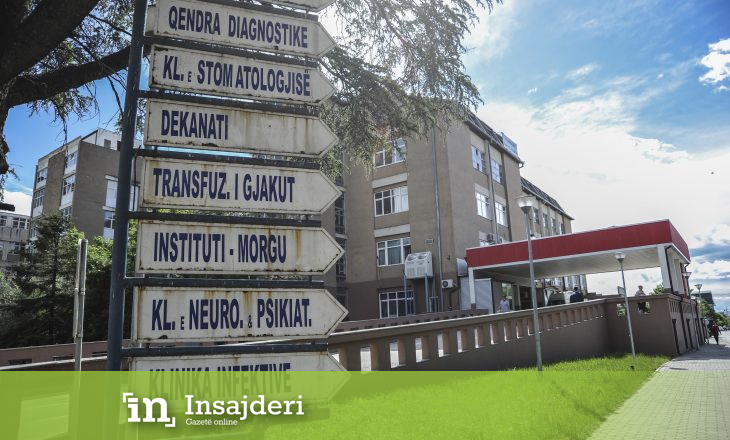
PRISHTINA — The Anesthesiology Clinic at Kosovo’s University Clinical Center (QKUK) is facing a severe specialist shortage, according to local media reports including the portals Insajderi and Ekonomia Online, which state that the centre employs around 48 to 54 anesthesiologists, while operational needs are estimated at more than 100.
According to managers quoted by these outlets, the shortage is affecting the coordination of operating theatres and creating waits for non-urgent patients. Priority is given to emergency cases, while the elective programme is reorganised day by day depending on anesthesiologist availability.
Departures Abroad Deepen the Problem
The director of the Anesthesiology Clinic, Gazmend Spahija, has reportedly said repeatedly that the situation has been flagged to the Ministry of Health and the University Clinical Hospital Service of Kosovo (SHSKUK). According to the reports, five residents have left the country in recent months alone, seeking better working conditions and higher pay.
Spahija, paraphrased by Insajderi, stressed that the clinic is trying to cover urgent cases to avoid putting patients at risk, but that there are no unemployed anesthesiologists on the market who can be recruited immediately.
The Kosovo Medical Chamber has on several occasions published figures showing hundreds of doctors leaving the country in recent years, primarily for Germany and other European Union member states. The main factors cited are pay, workload and professional training opportunities.
Doctors’ unions have called on the government for a dedicated retention package for specialists in shortage areas, including anesthesiologists, cardiologists and radiologists. The Ministry of Health has previously said it is working to increase the number of accredited residency posts and to review pay coefficients for certain categories.
Without short-term interventions, experts warn, delays in elective surgery could lengthen and place additional pressure on the public hospital system during the summer.
Source: Insajderi, Ekonomia Online and reporting by Periskopi, April 2026.