

QKUK Patients Forced to Buy Their Own Surgical Materials
Patient relatives report being forced to pay out of pocket for surgical instruments, sterile bandages and injections at Kosovo's University Clinical Center.

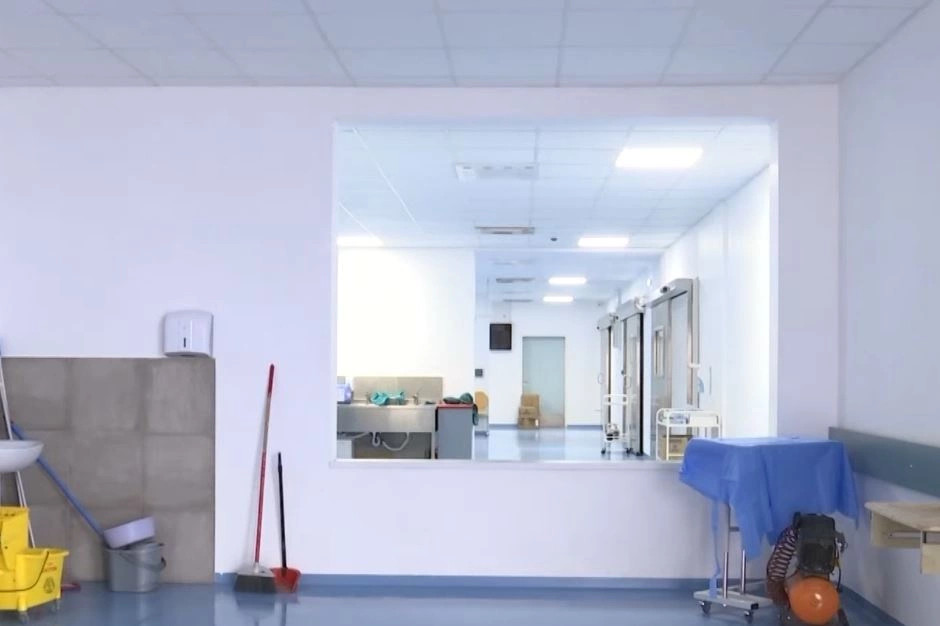
PRISHTINA — Patients undergoing surgery at Kosovo’s University Clinical Center (QKUK) say they have been forced to buy basic surgical materials themselves, including scalpels, scissors, forceps, syringes and sterile bandages, according to a report published on April 24 by the daily KOHA.
Testimonies gathered in the report describe one patient who spent roughly 153 euros only for two surgical sets, microscope covers and injections, even though treatment in public clinics is intended to be free of charge. Relatives interviewed say the amounts vary by type of operation and clinic, but that shortages are persistent and known to staff on the ground.
Systemic Shortages, Limited Institutional Response
QKUK performs an average of around 70 surgical procedures per day, while several operating clinics have for months faced a truncated supply list. According to the KOHA report, the center’s management declined to comment on whether shortages are present across all clinics, while the Ministry of Health did not provide detailed clarifications on the deficit of medicines and consumables.
A patient quoted in the article, whose identity was not disclosed, framed the situation as follows, according to the paraphrase by reporter Vlerë Mehmeti:
The relative said they did not regret buying the materials because the staff had been attentive, but stressed that the shortage was not the fault of doctors trying to work under difficult conditions.
The supply of medicines and consumables in Kosovo’s public healthcare system has returned to public debate several times in recent years, mostly tied to the essential medicines list and procurement procedures. The parliamentary committee on health has repeatedly asked the ministry for a detailed report on current stock levels across clinics.
Civil society organisations that monitor the health system have warned that the financial burden flowing from purchases outside the institution undermines the principle of equal access to public healthcare and increases inequality between patients with different incomes.
As of publication, QKUK had not provided a concrete timeline for when full supplies will be restored across the affected clinics.
Source: KOHA.net, reporting by journalist Vlerë Mehmeti, April 24, 2026.