

Behluli: Sex education — where the Kurti government went wrong
Writing in Nacionale, Mirlind Behluli criticises how sex education was rolled out in Kosovo schools, not the idea itself. The argument has merit but needs nuance.

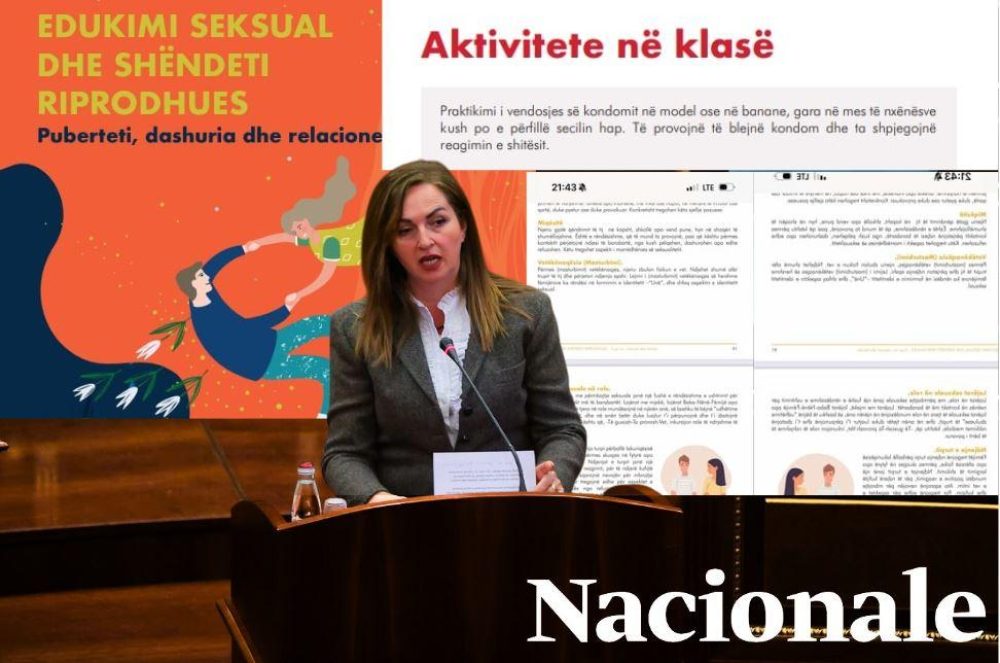
PRISHTINA — Columnist Mirlind Behluli, in a piece published by Nacionale, poses a question that has split Kosovo’s public opinion in recent weeks: where did the Kurti government go wrong in introducing sex education into the school curriculum?
Behluli does not oppose the concept of sex education itself. His argument is more refined: he claims the government did not adequately consult parents, teachers and faith communities, and that materials were rolled out in a way that felt like an ideological imposition rather than a public-health policy. In his view, this handed ammunition to more conservative groups and turned a necessary reform into a culture war.
The column makes a practical critique: even good ideas can fail if they lack legitimacy in implementation. Behluli suggests the Ministry of Education should have phased the process, with public consultation, age-appropriate psychological review, and prior teacher training.
Context
Sex education in Kosovo is a sensitive subject. Civil-society research has long documented high levels of misinformation among adolescents and rising gender-based violence. In that light, introducing a modern curriculum is a step backed by international health and human-rights organisations.
That said, Behluli’s critique of process is not baseless. Social reforms require careful public communication; a sound policy badly implemented can produce a backlash that undoes a decade of progress. Yet it must also be acknowledged that full consensus on such topics is effectively impossible and that, at some point, government has to decide.
Paraphrasing Behluli, the problem is not that Kosovo’s children are learning about the body and consent, but that parents and teachers felt excluded from the decision — a procedural complaint that deserves a serious answer.
Readers benefit when they distinguish criticism of process from criticism of purpose. Sex education is supported by international law; how it is brought into the classroom remains a matter of public policy and democratic debate.
Source: Nacionale — Opinion column by Mirlind Behluli