

Kosovo National Theatre opens spring season with premiere in Pristina
The main stage of the National Theatre gathered drama lovers for a premiere that puts contemporary Albanian dramaturgy back in focus.

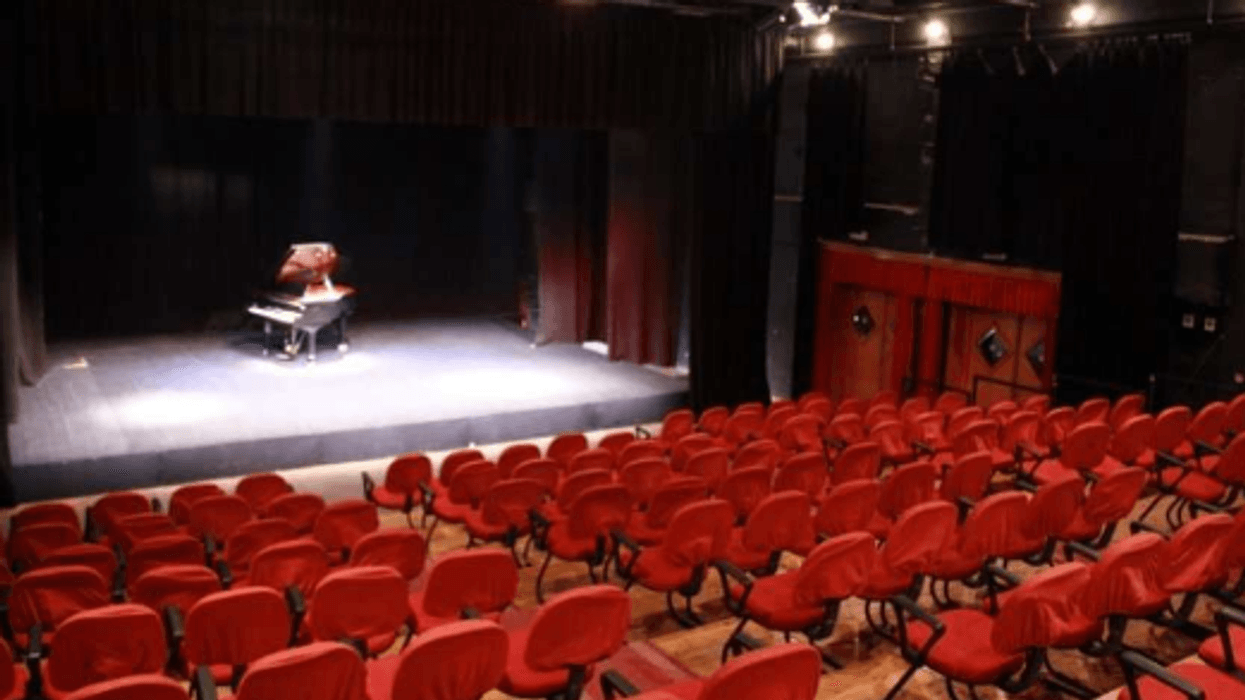
PRISTINA — The Kosovo National Theatre opened its spring season this week with a premiere that drew the attention of critics and the Pristina public. The main hall was full, while at the entrance one could see artists, critics and representatives of cultural institutions.
The play, supported by the Ministry of Culture, Youth and Sports, is part of the institution’s new programme, which aims to promote local authors and to collaborate with troupes from Tirana and Skopje. Theatre management stressed that this is an important moment after a period of capacity building on the stage and technical renovation.
Mid-career and younger actors are engaged in a text that addresses themes of family memory, transition and identity in post-war Kosovo. The set design, simple and symbolic, shifts attention towards the spoken word and the acting itself.
A repertoire that seeks young audiences
According to National Theatre management, the new season aims to bring back young audiences, who in recent years have migrated towards digital formats and smaller shows in Pristina’s alternative venues. Cheaper tickets for students and matinees dedicated to schools are part of this strategy.
Theatre programmers announced that in the coming months collaborations will continue with directors from Albania and the region, while a limited tour through Kosovar cities such as Prizren, Gjakova and Mitrovica is also being prepared.
National Theatre leaders said the production marks a return of attention to contemporary dramaturgy and to young audiences, who, in their view, want true stories and a stage language close to the time they live in.
The play will run again over the coming weeks, while the National Theatre is expected to publish in the days ahead the full list of premieres for the season, including a collaboration with a troupe from Tirana.
Source: Telegrafi (Culture), with editorial adaptation by DPT.