

Kosovo faces drinking-water risk: 142 artificial barriers identified in the Drin basin alone
According to data presented by experts, the Drin basin is blocked by dozens of artificial barriers that put the country drinking-water supply at risk.

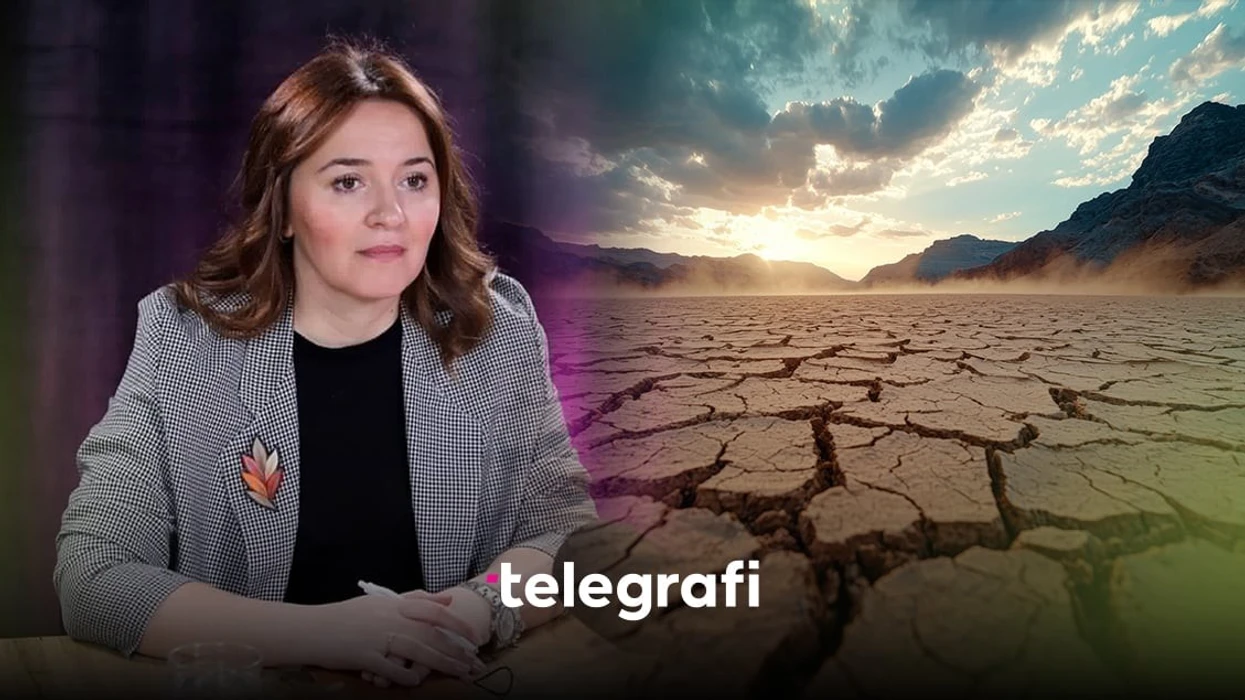
PRISHTINA, April 26, 2026 — Kosovo is facing a growing risk to the safety of its drinking-water supply, with 142 artificial barriers identified in the Drin river basin alone, directly affecting both the quality and quantity of water resources. The figure was presented on Sunday during a Prishtina conference focused on water management challenges.
The Drin basin is considered one of the main water arteries of the Western Balkans and a vital source for hundreds of thousands of Kosovo residents. Experts warn that illegal construction, waste dumps along the riverbed and over-extraction by industry and agribusiness are turning the basin into an over-stressed system.
Aging infrastructure and underinvestment
In addition to illegal construction, a key problem remains the aging supply network, where technical and commercial water losses in some municipalities exceed 50 percent. According to reports by regional water utilities, investments in replacing pipes and pumping stations have been insufficient to cover rising demand.
Residents in the outskirts of Prishtina, Mitrovica and Peja regularly complain about scheduled and unscheduled cut-offs, particularly during summer months when consumption rises sharply and reservoir levels drop.
Hydrology expert Ilir Salihu stated that “in the Drin basin alone, 142 artificial barriers have been documented that block the natural flow,” adding that without immediate institutional intervention, the problem will deepen.
The Ministry of Environment has announced that it is working on a national integrated water-resources plan, while civil society is demanding transparency in the issuance of water-use permits. Environmental groups stress that weak enforcement has allowed harmful interventions in river courses to spread.
Activists are also calling for a public registry of small hydropower plants and a review of concession agreements. They argue that without citizen participation and independent oversight, Kosovo main basins will continue to degrade rapidly.
Source: Telegrafi.