

Iranian lawmaker: Strait of Hormuz won’t return to its previous state
Tehran has held control of the strategic shipping lane since February 28, while the U.S. imposed a naval blockade in mid-April.

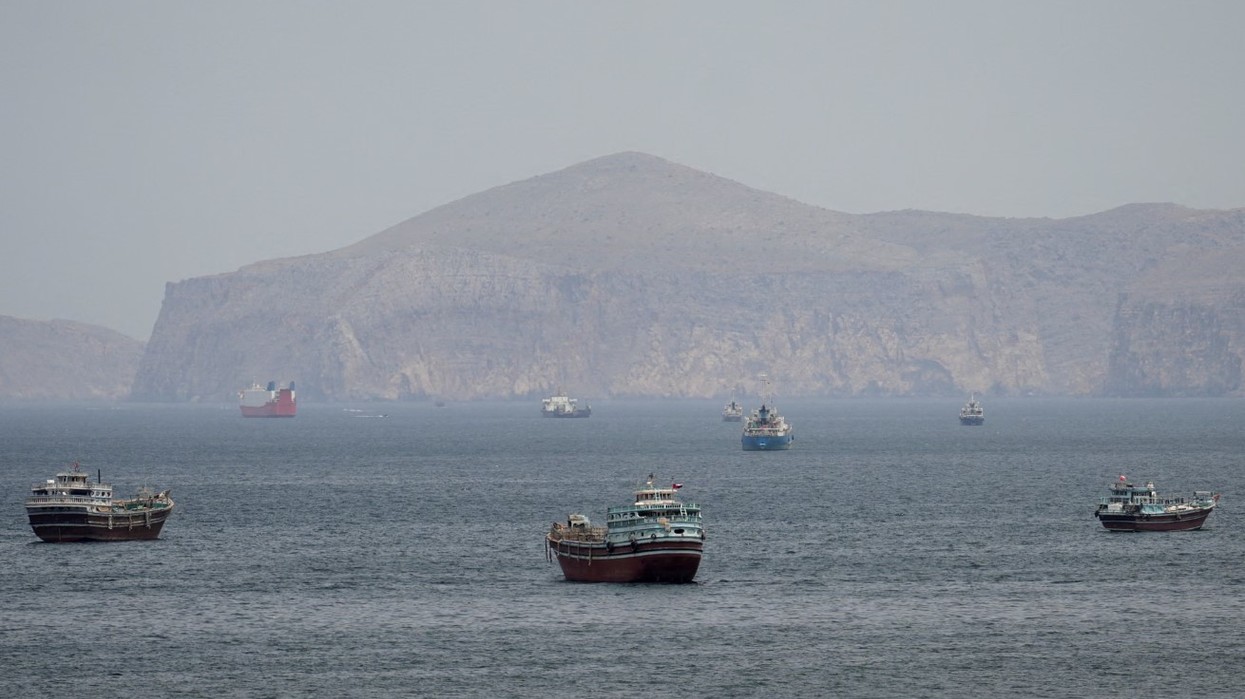
TEHRAN — A senior Iranian lawmaker has declared that the Strait of Hormuz will “under no circumstances” return to its previous state. According to Telegrafi, the position reflects guidance from the Supreme Leader and confirms the strategic shift that has reshaped the Persian Gulf.
Since February 28, Tehran has held effective control over the shipping route through which a major share of the world’s oil is transported. The control followed direct conflict between Iran and a U.S.-Israeli coalition that struck Iranian nuclear and military infrastructure.
On April 13, the United States imposed a naval blockade that has affected global energy supplies, especially those bound for Asia. Oil prices have swung sharply since, while major shipping firms are bypassing Hormuz for longer alternative routes.
Stalled negotiations
Talks held in Islamabad two weeks ago failed to unlock the crisis. According to sources, the agenda covers three key items — the status of the strait, U.S. sanctions on Iranian ports and the uranium-enrichment program.
Pakistan and Oman are acting as mediators, while China has publicly called for a swift resolution because of its economy’s dependence on energy that flows through the strait. European diplomats have warned that a prolonged blockage would have major consequences for global inflation.
We will under no circumstances return the Strait of Hormuz to its previous state, the Iranian lawmaker said, as cited by Telegrafi, directly invoking orders issued by the Supreme Leader.
Inside Iran, the stance is seen as part of a strategy to redefine the relationship with the West after last year’s heavy losses. Iranian officials argue that control of the shipping lane gives Tehran negotiating leverage it did not previously have.
The United States has warned that the blockade will remain in place until Iran accepts enhanced inspections and new limits on its nuclear program.
Source: Telegrafi