

El-Sisi: Middle East faces efforts to redraw its map
The Egyptian president warned over state sovereignty and called for full implementation of the second phase of the Gaza ceasefire.

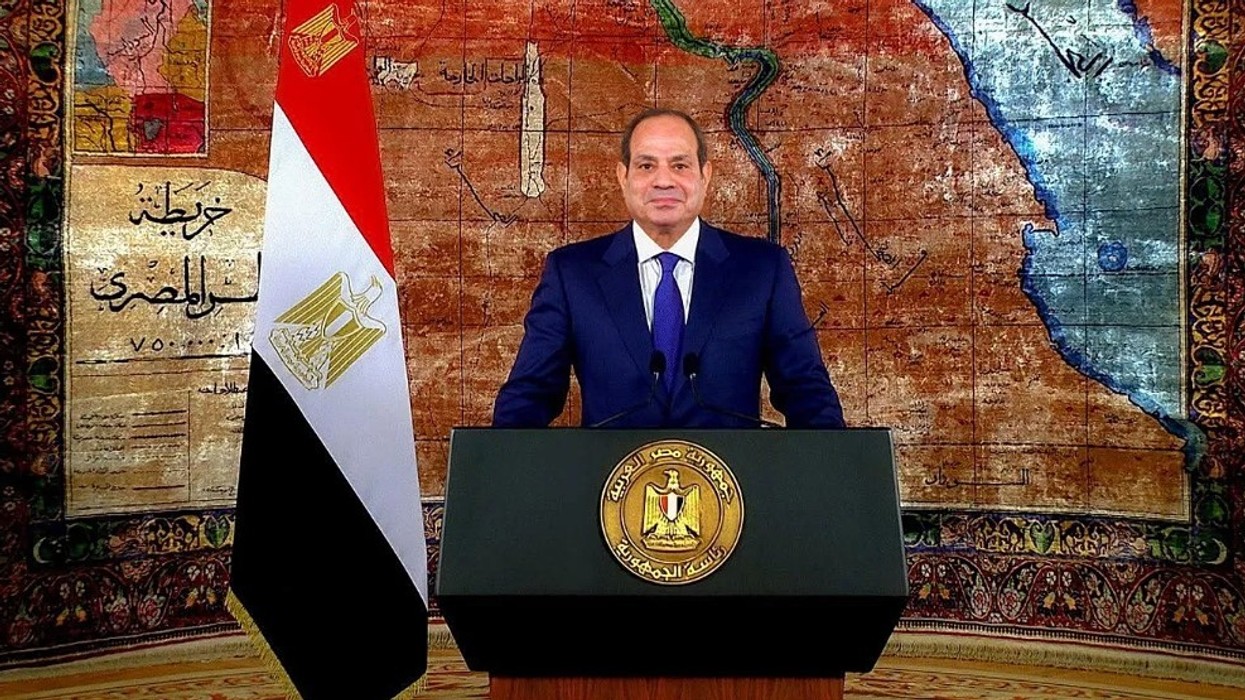
CAIRO — Egyptian President Abdel Fattah el-Sisi warned on Saturday that the Middle East is facing “deliberate efforts to redraw its map” under extremist ideological pretexts. According to Telegrafi, the statement came during a publicly broadcast address marking Sinai Liberation Day.
El-Sisi stressed the need to respect state sovereignty and territorial integrity, rejecting any attempt to partition countries or seize natural resources. In his view, political solutions and negotiations remain the only path to regional stability.
The address comes amid intense tensions caused by ongoing conflict involving Iran and consequences for maritime navigation, global economies and energy supplies. Egypt, as a neighbor of Gaza, has played a key role in the ceasefire talks reached in recent months.
The second phase of the Gaza ceasefire
The Egyptian president called for full implementation of the second phase of the Gaza ceasefire, including unrestricted humanitarian access and the launch of the reconstruction process. According to Cairo, lack of progress at this phase would risk derailing the entire agreement.
Egypt has worked closely with Qatar and the United States in negotiating the ceasefire and is expected in coming weeks to host an international conference on Gaza’s reconstruction.
Cooperation is the only way forward, while efforts to redraw the region’s map will only lead to deeper chaos, El-Sisi said, as reported by Telegrafi, during his Sinai Day address.
El-Sisi has often warned about plans that, in his view, aim to displace Palestinians from Gaza into Egypt’s Sinai — an idea Cairo has publicly rejected and views as a national-security threat.
Regional analysts say El-Sisi’s remarks reflect broader Arab concern about a potential rebalancing of borders and influence as the United States and regional powers reposition after the conflict with Iran.
Source: Telegrafi